Phuket hotels sign up for new online scheme

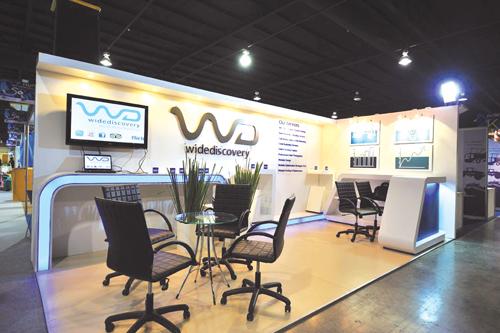
PHUKET: Phuket-based hoteliers are breaking into emerging travel markets around the world with new channel management technology recently made available in the region.
Local members of the Thai Hotel Association (THA) are expected to be some of the first to benefit from the new channel management solutions following a deal inked in February between Phuket-based hospitality solution service provider Wide Discovery Dot Com and global hospitality software developer RateGain.
The partnership opens up a massive new section of the as-yet-untouched global hospitality market to local hoteliers by giving them access to hundreds of Online Travel Agents (OTAs) and hotel room wholesalers around the world, said Wide Discovery Dot Com Managing Director Mr Bunlert Eksatapornsakul.
“As well as offering unprecedented access to the global market, the new channel management solution saves huge amounts of time for reservation managers and staff, who must usually dedicate several hours a day to updating room availability and information with each OTA that they work with.
“Now hoteliers can instantly update room rates across the board with just a few mouse clicks while greatly reducing the risk of lost revenue or potential damage to reputation due to double or dropped bookings” said Mr Bunlert.
“Independent hotels in the region have for a long time had to rely solely on a handful of locally-based online travel agents (OTAs) and wholesalers to secure room reservations, limiting their customer base to conventional tourism markets in Asia and Europe,” he said.
India-based RateGain Vice President, Mr Sapan Anand, said the strategic alliance with Wide Discovery in Phuket means hotels in the region can now benefit from being able to access more than 350 channels in 72 countries around the world.


RateGain’s system is used by 5,500 hospitality clients in all major regions of the world, including the top fifty Online Travel Agents.


Thailand Property FAQ
Can foreigners buy property in Thailand?
Yes. Foreigners can own condominium units freehold, as long as foreign buyers hold no more than 49% of the building's saleable area. Land cannot be owned directly by foreigners; houses are usually held through a 30-year lease — and since a March 2025 Supreme Court ruling, automatic “30+30+30” renewal structures are not enforceable beyond the first 30 years. Read the full foreign-ownership guide.
What is Thailand's 49% foreign quota?
In any condominium project, no more than 49% of the total saleable floor area can be foreign-owned. The quota applies only to condos — not houses, land or leaseholds — and popular buildings in Bangkok, Phuket and Pattaya can hit the cap. How the quota works in practice.
How much are property transfer fees in 2026?
The transfer registration fee is cut to 0.01% (from the standard 2%) and the mortgage registration fee to 0.01% (from 1%) for purchases where both the price and assessed value are 7 million baht or less — extended by the Cabinet on June 30, 2026. On a 6-million-baht home that saves around 120,000 baht. Who qualifies for the cut · Standard fees & who pays what.
Is it better to rent or buy in Thailand as an expat?
It mostly depends on your time horizon: for stays under roughly five years renting usually wins once transfer costs and resale friction are counted, while longer stays can favour buying — especially with 2026's reduced fees. The rent-vs-buy maths for expats.
How much does property cost in Thailand?
A little over 2 million baht buys a freehold one-bedroom condo in central Chiang Mai — the same budget covers only a studio in Bangkok's CBD. Prices vary sharply by region and city. Average prices by region, and what they buy you.
What taxes do property owners pay in Thailand?
Owners pay the annual land and building tax, and rental income is taxable; buyers and sellers split one-off costs like transfer fees, stamp duty or specific business tax depending on the deal. The go-to guide to Thai property taxes.