Centara plans to build 100 new hotels by 2026, launch 20 per year

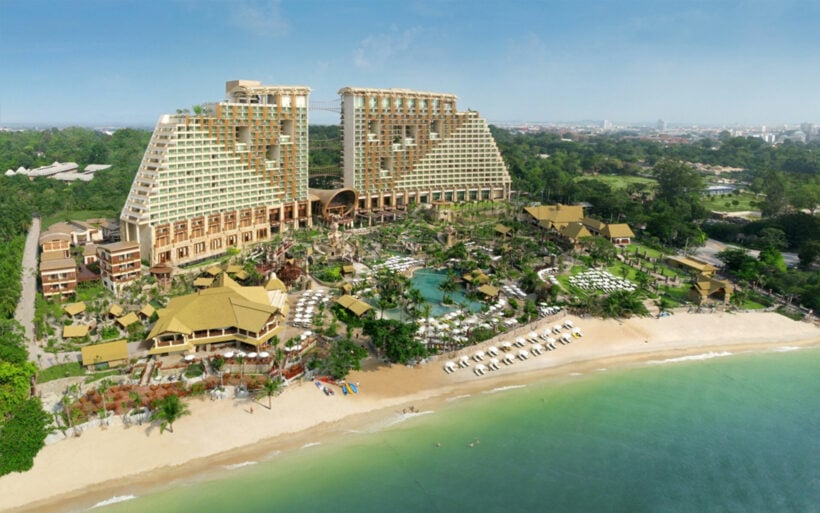
Centara Hotels and Resorts plans to open 100 new hotels in Thailand, the Middle East, China and neighbouring countries over the next 5 years, with the intention of managing them through agreements with partner companies, according to the Bangkok Post.
Centara’s 5 year goal from 2022 aims to add 20 hotels each year, bringing the total number to more than 200 and providing about 40,000 rooms by 2026.
In 2022, Centara intends to advance 20 new contracts and open at least 8 hotels, 3 of which will be in Bangkok, Ubon Ratchathani and Nakhon Ratchasima, with the remainder in Qatar, Oman and Laos.
Thailand comprises half of the planned hotels, followed by the Middle East, China and other Southeast Asian countries, particularly Vietnam, where 20 hotels are projected.
Centara currently manages 88 properties, with 41 more on the way. The majority of the new hotels will be managed by possible partners under management contracts.
In Asian countries, primarily Vietnam, where 20 hotels are planned, there will be other ownership investment initiatives as well, such as new hotels in the Maldives and Koh Lanta.
During the first half of 2022, Thailand’s hotel industry is projected to remain highly dependent on the domestic market. But more international tourists could arrive in the third quarter, notably Chinese tourists.


Meanwhile, Thailand tourism industry professionals are calling for the government to extend the deadline for the We Travel Together hotel subsidy plan until the end of 2022, as it accounted for some 20% of hoteliers’ income last year.
According to the chief executive of Centara Hotels and Resorts…
“Hotels this year are projected to generate revenue of 5.9 billion baht, including from Centara Mirage Beach Resort Dubai, in which the company owns a 40% stake. This goal will be accomplished if there’s no impact from new Covid variants.”
Last year, the company recorded just 2.3 billion baht in sales from the hospitality business, a 25% decrease year on year.
Centara’s operations in main source countries, such as India, will resume once the air travel bubble begins in the second quarter, and Australian travellers may climb during the Easter break.
Moreover, due to the conflict in Ukraine, the tourism industry might not fully recover until 2025.
SOURCE: Bangkok Post
Latest Thailand News

























Follow The Thaiger on Google News: