Rare flat-headed cat spotted in Thailand after 29 years
Camera traps at Princess Sirindhorn Wildlife Sanctuary confirm the return of one of the world’s rarest wild cats, once considered possibly extinct in Thailand.

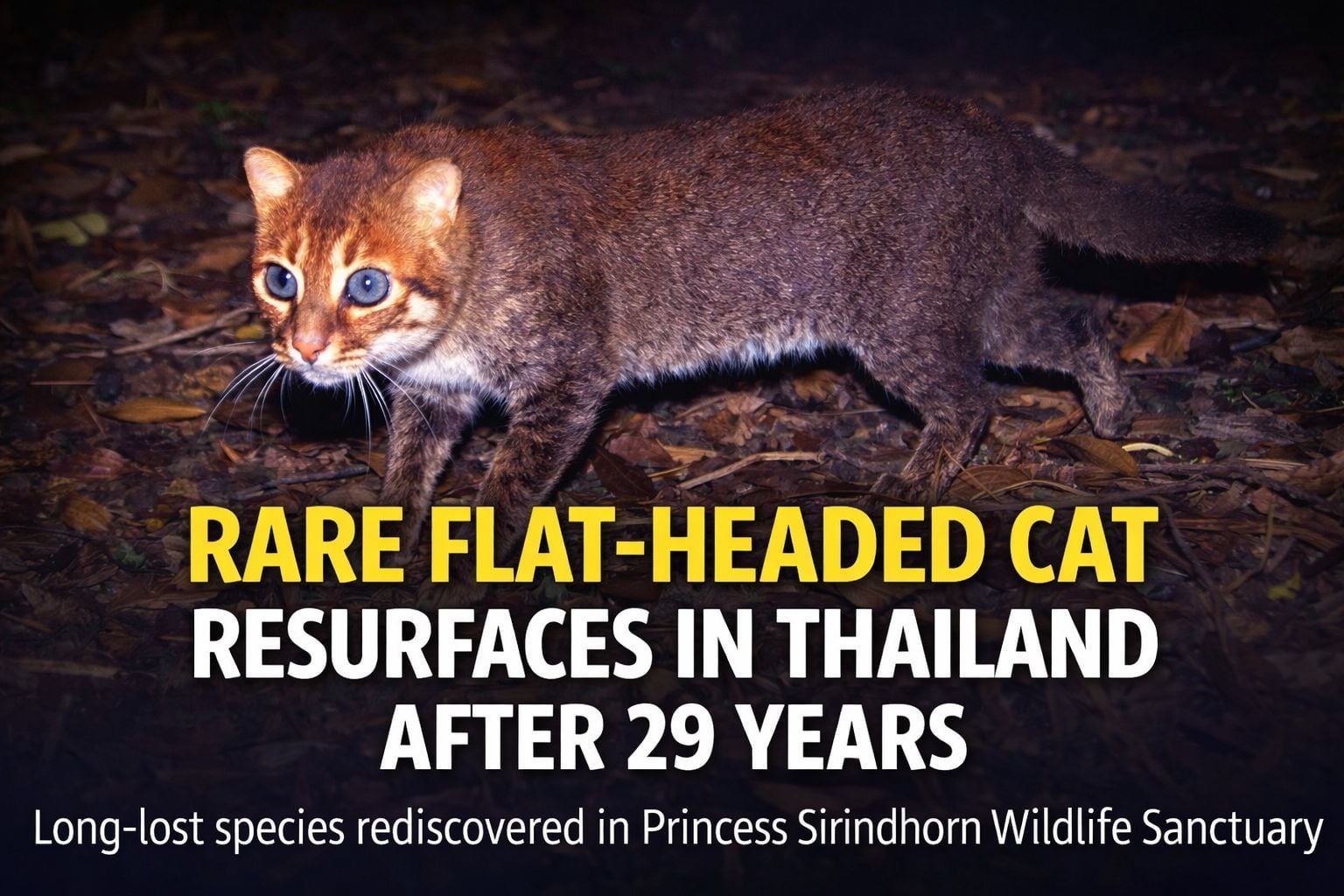
Conservationists in Thailand have confirmed the return of the flat-headed cat, one of the world’s rarest wild felines, after a 29-year absence.
On December 25, global wild cat conservation group Panthera and Thailand’s Department of National Parks, Wildlife and Plant Conservation announced that camera traps captured multiple images of flat-headed cats at Princess Sirindhorn Wildlife Sanctuary in southern Thailand. The species had not been officially recorded in the country since 1995.
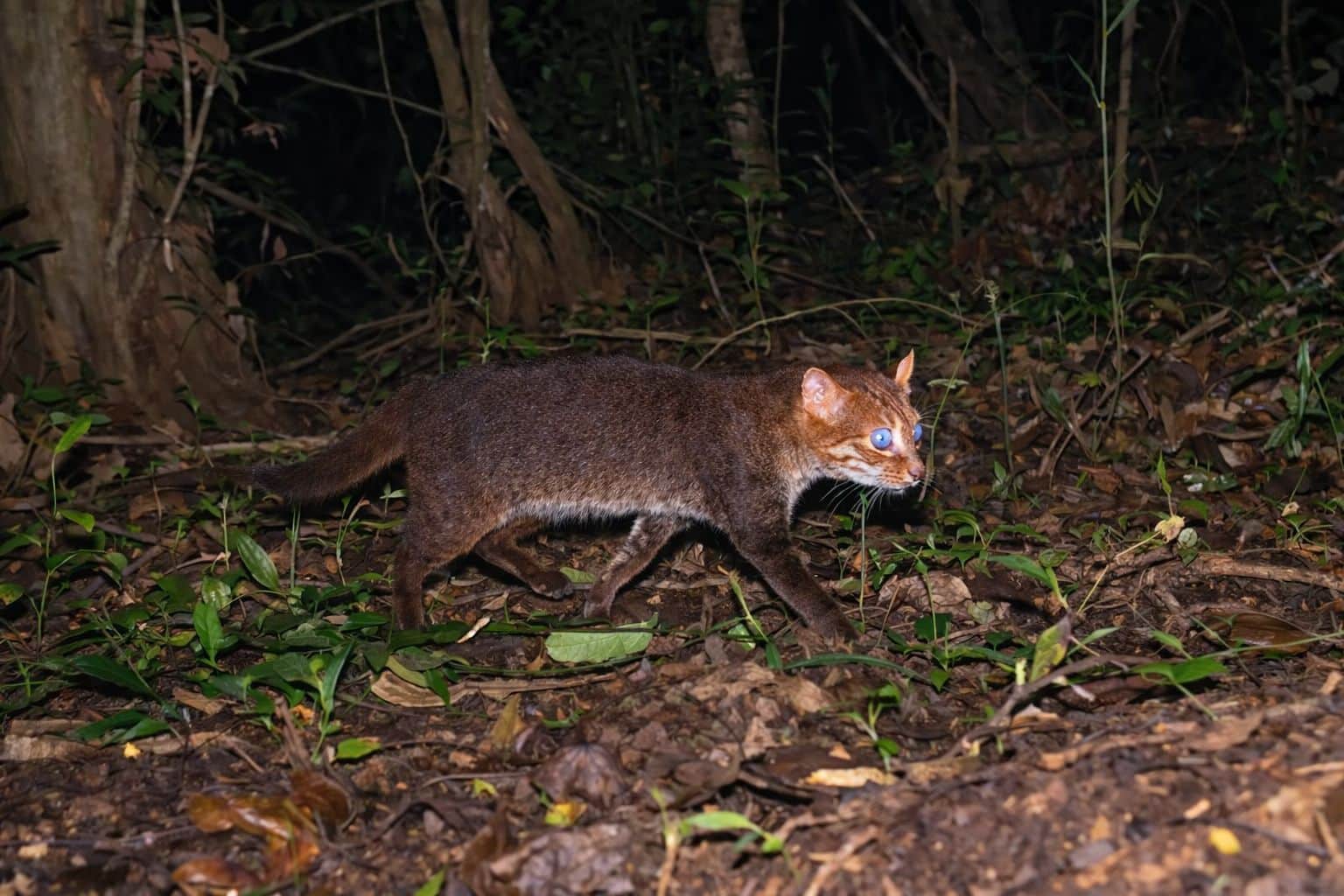
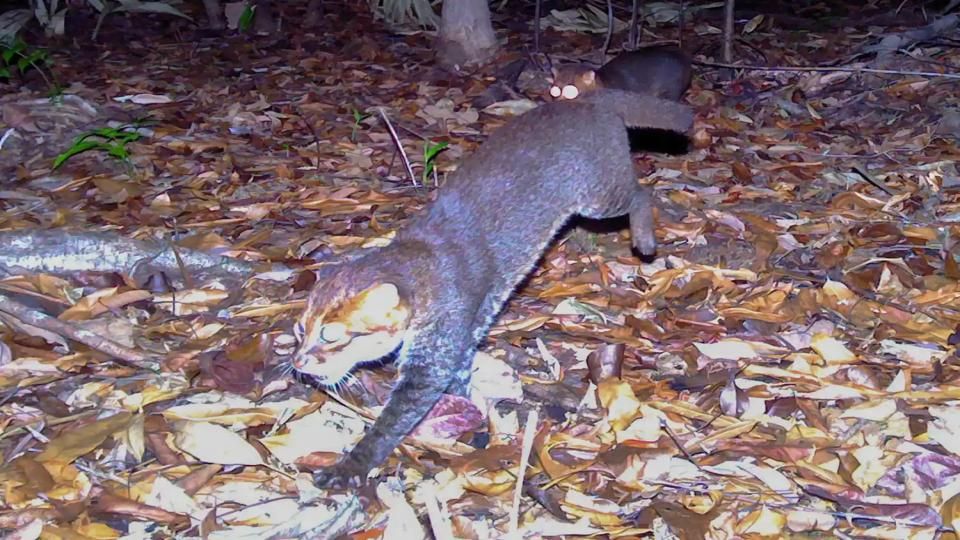
Camera traps installed in 2024 documented repeated sightings over two years, including 16 confirmed detections in 2025. One of the most significant findings showed a female flat-headed cat with her cub, providing clear evidence that the species is breeding in the area.
The flat-headed cat is listed as one of the rarest wild cats on Earth, with an estimated global population of around 2,500. Due to decades without confirmed sightings, the species had been classified as “possibly extinct” in Thailand.
According to Panthera, the cats’ elusive behavior, nocturnal habits, and preference for remote wetland habitats make them extremely difficult to study. The new data will be included in upcoming IUCN Red and Green List assessments scheduled for 2026.


Thailand’s Department of National Parks Director General Atthapol Charoenchansa said the rediscovery reflects the effectiveness of long-term habitat protection and monitoring, particularly in border forest and wetland areas. Panthera Thailand representatives also emphasized that the finding highlights the ecological importance of Thailand’s remaining wetlands, which face growing pressure from development, pollution, and habitat loss.
The flat-headed cat is the smallest wild cat in Southeast Asia, weighing about half as much as a domestic cat. It is adapted to wetland environments, with webbed toes that help it hunt fish and other aquatic prey. Conservationists warn that despite the encouraging discovery, continued protection and restoration of wetland ecosystems remain critical to the species’ survival.
Original sources Department of National Parks, Wildlife and Plant Conservation, Panthera Thailand
Latest Thailand News

























Follow The Thaiger on Google News: