Remote work in Thailand: visas, work rhythm, and classic beginner mistakes


Thailand can be a genuinely solid base for remote work: warm climate, big city infrastructure, island breaks for weekends, and enough cafés and coworking spaces to make “laptop life” feel normal. The catch is that daily comfort does not automatically mean legal clarity, stable routines, or predictable costs. Beginner mistakes usually look small at first, then turn into a week of messy admin.
The mindset trap is the same one that appears in fast-feedback games, and limbo game online is a clean example to picture. The format is simple: pick a target multiplier, set a stake, hit go, and a random multiplier appears. If the result lands above the target, the round wins, and if it lands below, the round loses. Higher targets promise bigger payoffs but come with thinner odds, and the speed makes “one more round” feel harmless. That rhythm mirrors remote life in Thailand when planning is skipped: small risks feel controllable, until one missed deadline, one forgotten extension, or one overconfident assumption flips the whole month.
Visas: The Part That Looks Easy Until It Doesn’t
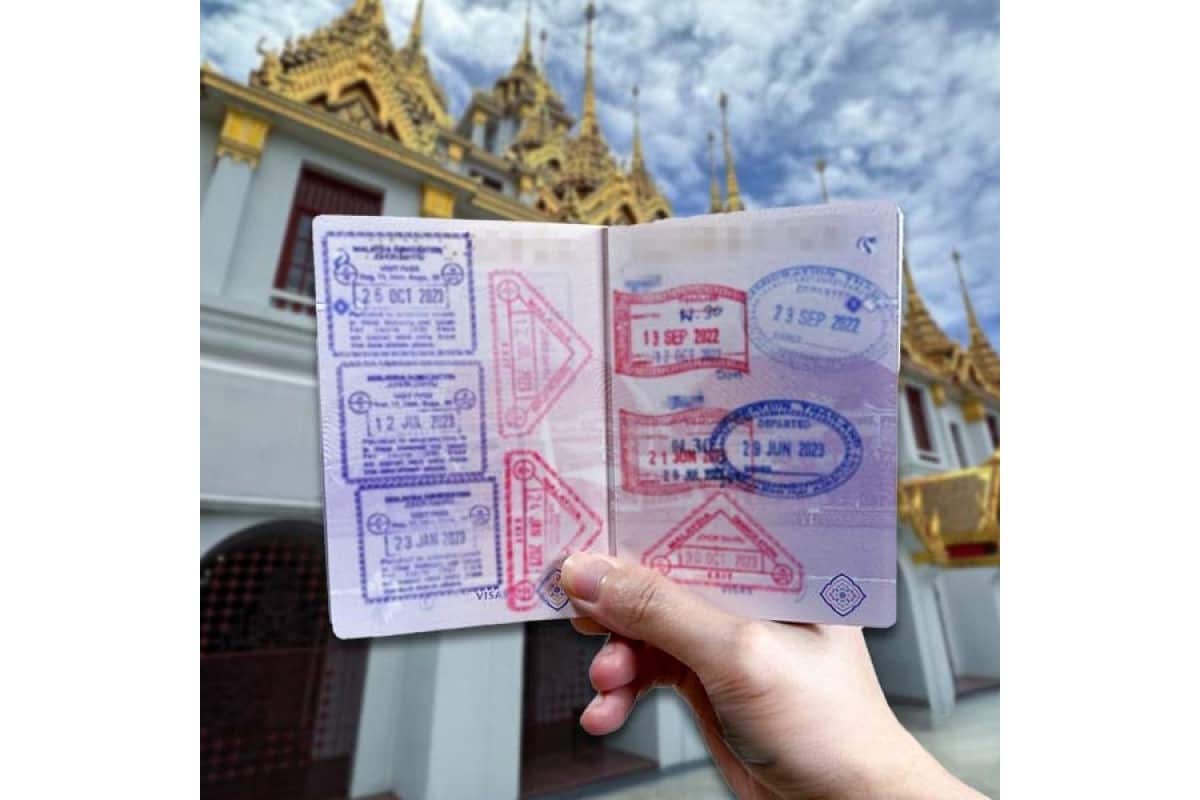
Thailand has multiple stay options, and each one has its own logic. Some paths are designed for tourism and short visits. Others are designed for longer stays with a clearer structure. The main beginner error is treating visa choices like a vibe decision instead of a calendar decision.
A practical rule helps: match the visa to the real timeline, then build the rest of life around that. “Maybe extend later” sounds flexible, but it creates stress loops, especially when work calendars are full and offices or appointments do not align nicely with deadlines.
Work Reality: Time Zones, Heat, and the Myth of Endless Focus
Thailand can be productive, but the day behaves differently. Heat and humidity can drain energy faster than expected, especially in the first weeks. Time zone differences can also quietly wreck sleep when calls drift into late hours.
Internet quality is often good in popular areas, but reliability varies by building and neighbourhood. Remote work needs redundancy. A backup plan for connectivity is not paranoia; it is professionalism.


Work Setup Mistakes That Cost Money and Reputation
- Choosing accommodation without testing the real working space and signal stability
- Planning calls across time zones with no protected sleep window
- Assuming café Wi-Fi will handle important meetings every day
- Working without a backup location for “must-not-fail” deadlines
- Treating the first month like a vacation and hoping discipline appears later
The goal is not strictness. The goal is predictability.

Money: Cheap Lifestyle, Expensive Surprises
Thailand can feel cheaper than many countries, but beginner budgets often ignore the boring parts: deposits, replacement items, transport habits, and “small daily spending” that grows into a serious monthly number. Food delivery, rides, coffees, and weekend trips are not evil. They just add up quickly when everything feels like a treat.
Currency conversion and fees also matter. Small losses on exchanges can become large over time, especially when money moves frequently. A simple system for tracking spending and keeping an emergency buffer reduces stress fast.
The Most Common Beginner Mistake: Admin Procrastination
Remote work abroad creates more admin than expected: documents, renewals, proof of stay, bank checks, device security, and sometimes insurance questions. Procrastination hits harder abroad because fixing a mistake can require travel, waiting, or rescheduling work.
A calm approach is to treat admin like a weekly habit, not a crisis response. One short session per week is enough to keep everything under control.

Health and Routine: The Quiet Foundation
Thailand can improve mood, but routine still matters. Beginners often chase novelty and then wonder why work quality drops. A stable remote routine includes basic anchors: sleep, movement, and predictable work blocks.
This is also where many people overdo social plans. Meeting new friends is part of the experience, but stacking late nights with early calls creates burnout fast. The body does not care how pretty the view is.
Week One: A Simple Setup That Prevents Chaos Later
The first week should build structure, not prove toughness. The goal is to reduce uncertainty quickly.
Week-One Checklist That Makes Remote Life Easier
- Set a fixed work schedule that protects sleep and matches client needs
- Test the internet where work will happen, then pick a backup workspace
- Create one document folder: passport copies, visa pages, bookings, receipts
- Build a baseline budget and track spending daily for two weeks
- Lock down account security: strong passwords and two-factor authentication
- Plan rest days on purpose so recovery does not depend on mood
This list is small on purpose. Small structure beats big motivation.
The Real Win: A Stay That Can Run on Autopilot
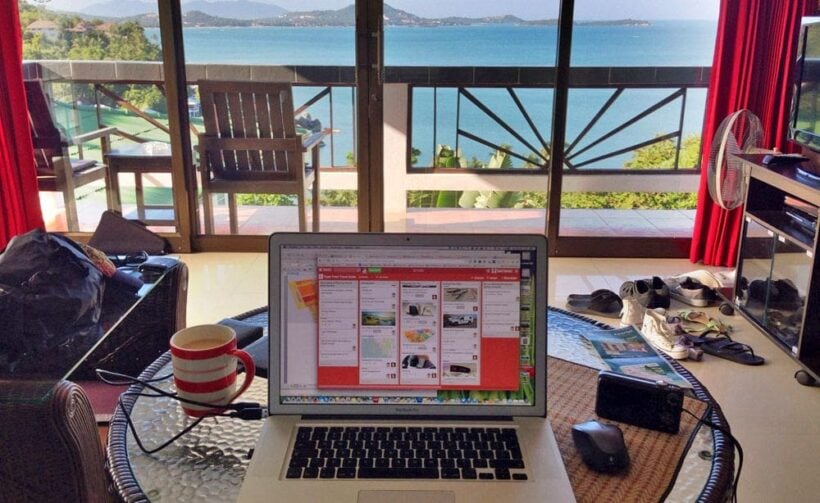
Remote work in Thailand is at its best when life becomes easy to manage. That means fewer last-minute decisions, fewer “quick fixes,” and fewer risky assumptions. Visas need timelines. Work needs boundaries. Money needs tracking. When those three are handled early, the rest starts to feel light.
Thailand is not a place where chaos is inevitable. It is a place where planning pays interest.
Latest Thailand News

























Follow The Thaiger on Google News: