New land tax forces land owners to evaluate their options

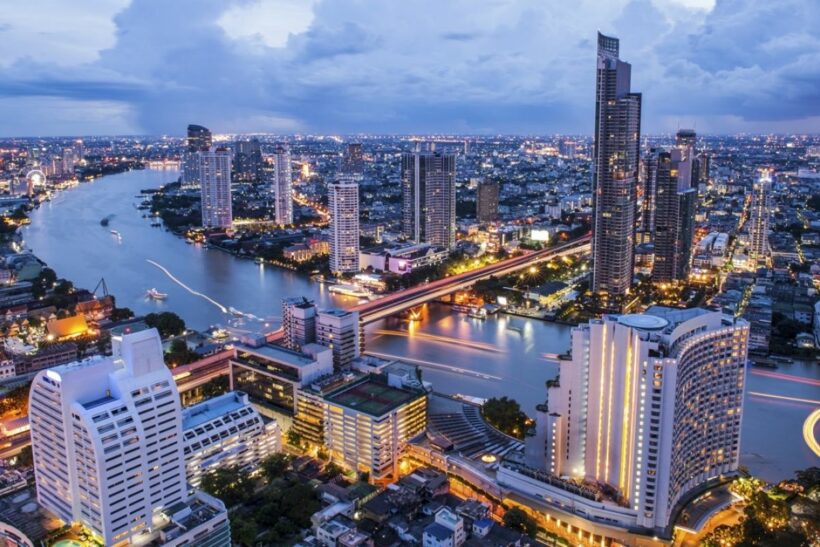
PHOTO: SCMP
The new Land and Property Tax, which takes effect in January 2020, will be a challenge for the Thai property market, according to the managing Director of CBRE Thailand. In an open report to the media, CBRE says owners of vacant sites will pay significant taxes once the new law comes into effect. Many will try to avoid the tax by developing the land for commercial use to generate income so they don’t have to sell the land.
“The risk is that they’ll create a bigger burden for themselves by developing inappropriate, loss-making developments.”
“Lacking experience and market knowledge, they might build something for which there is no demand and end up owing the bank far more than the cost of the tax.”
For many vacant sites, development of office, retail or residential space for rent won’t be feasible because of size or location. Owners may also not have the expertise or money to develop the sites. Landowners first need to see how much tax they will owe, and consider their options to earn income from development.
For example, car parks may be a solution in areas where residential parking space is low. In Japanese cities, even small sites are often used for commercial parking lots. But even though parking rates are much lower in Thailand than in Japan, for many sites car parks may be the easiest way to earn money with lowest expenditure from the owner, in the opinion of CBRE.
A second alternative is leasing to a third party. Leases could be for short or long term, but again only some locations offer development potential and demand from third party tenants.


Another question raised but not yet answered is the definition of ‘agricultural land’, which is taxed at a lower rate. For some landowners, finding additional revenue sources may simply be too hard and they may decide to sell.
After 2019, CBRE believes more sites will be up for sale, and supply and demand will reduce the difference between asking prices and what purchasers will pay.
SOURCE: Thailand Business News | CBRE
To check out Thailand’s largest selection of property, with the most information, go to FazWaz.com
Latest Thailand News

























Follow The Thaiger on Google News: