Condo commercial compliance

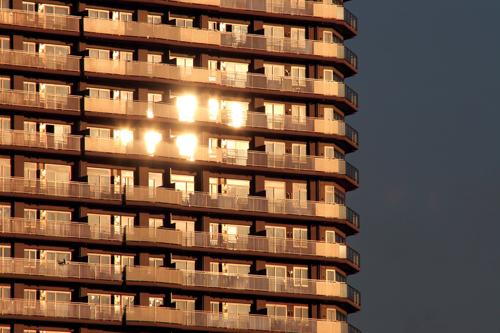
PHUKET: There are a number of condominium developments in Phuket where commercial entities do business, be it a travel agency, rental agency, spa or restaurant. Although such businesses may benefit the owners, juristic persons should make sure that commercial use of space in residential condominiums is compliant with the Condominium Act.
Compliance with the building regulations will help ensure transparency and prevent any negative consequences that may incur from unhappy co-owners, according to Jones Lang LaSalle, a professional services firm specializing in real estate.
Dexter Norville, Head of Estate Management at Jones Lang LaSalle in Phuket, said:
“There are more than 100 residential condominium buildings across Phuket. The majority of these buildings have space for commercial use in one form or another. While many developments have included commercial space from the beginning of the planning and development stage, others have added commercial space only after construction completion.
“Additionally, some co-owners use their residential units for commercial purposes. However, it is imperative that commercial use in condominiums comply with the Condominium Act.”
There are two major scenarios where a commercial operation is allowed. Firstly, the residential development must have commercial units indicated on its building plans. Secondly, commercial space can be added into a completed development upon approval by vote of more than 50% of the building’s total co-owners, and the commercial space has a lease indicating the terms and what the business operator can do in the space.
While the first scenario is a straightforward process that takes place at the planning and development stage, a conflict of interest can still occur, according to Mr Norville:


“Most developers may have included a sales office within the development, for their sales team selling remaining units. Even after all units are sold out, some of these developers may remain within the condominium in good faith to offer investors and owners sales and leasing services. But this will need approval once the condominium juristic person is formed,” he said.
He added that the second scenario is often more controversial, as the process of adding commercial use into a residential condominium often goes wrong as a result of misconceptions of the juristic person committee, property managers, or co-owners regarding commercial use within condominiums.
According to building regulations, co-owners have no right to use their own residential space for a commercial venture, and juristic person committees as well as property managers do not have the power to authorize the use of space for commercial
purposes.
“In many cases, co-owners mistakenly believe they can use their own residential space for commercial activity, while juristic person committees could unknowingly enter into agreements with third parties to allow them to operate commercial services from within their building,” said Mr Norville.
In the event a commercial operation within the condominium does not follow the correct process, the condominium juristic person, together with the property manager, can call for an extraordinary meeting (EGM) to address the issue. At the EGM, the co-owners can choose to either keep the operation or reject it. If the majority of the co-owners disapprove the operation, the owner of the disapproved operation will be asked to stop the operation.
“Generally, this is an unpleasant process, which can become more complicated when the owner of the business fails to stop the operation within an agreed time frame. When this case happens, the condominium committee may need to proceed with legal action. Therefore, it would be better for co-owners, juristic committees and property managers to understand and comply with building regulations,” Mr Norville concluded.
Keep checking our online Phuket Property pages, join our Facebook fan page or follow us on Twitter @PhuketGazette for the latest local and national property news updates.
Latest Thailand News

























Follow The Thaiger on Google News: