A record is set with a groundbreaking 11 billion baht investment for Gardens of Eden

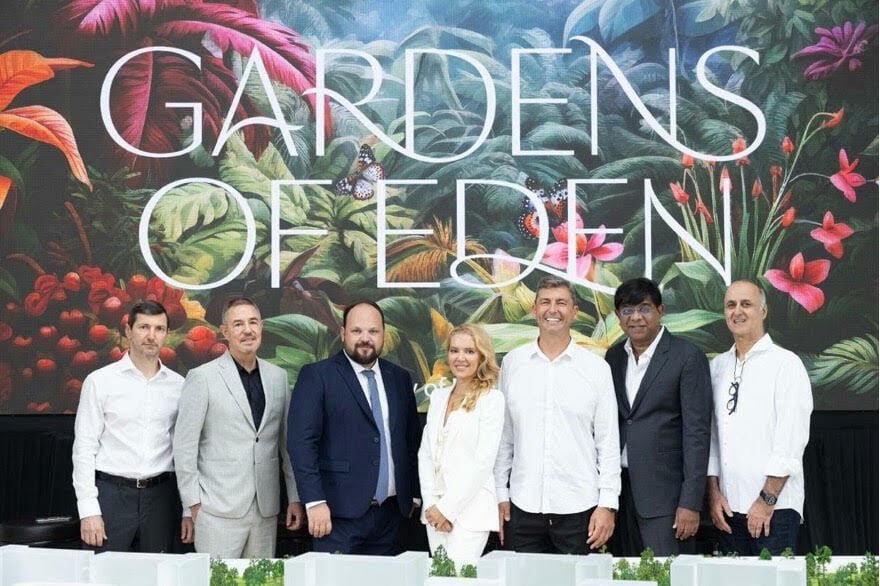
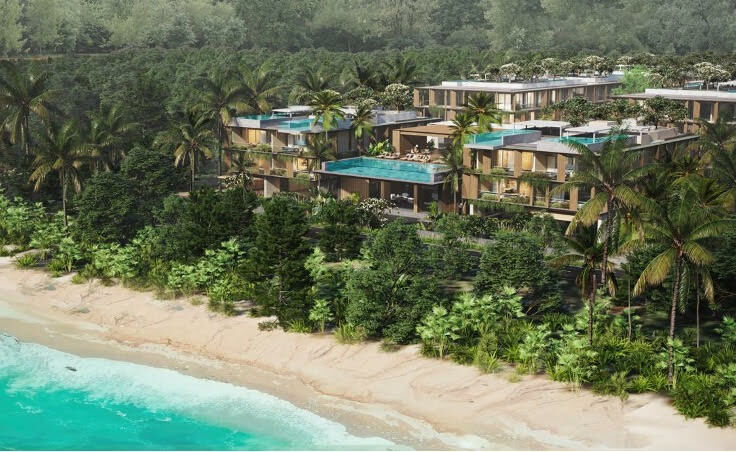
In a strategic move that underscores the burgeoning maturity of Phuket as a sought-after multicultural lifestyle destination, Amal Group of Companies has introduced Gardens of Eden on Bangtao Beach. This sprawling 73-rai luxury wellness residential and hospitality community is set to redefine large-scale developments on super prime locations on the island, with an investment capital of THB11 billion (US$315 million).
A striking feature of Gardens of Eden is its commitment to sustainability and well-being, allocating a remarkable 70% of the land to open spaces adorned with botanical gardens and active green areas. This dedication to nature-centric living aligns seamlessly with the evolving preferences of the international community, positioning Phuket as an increasingly attractive locale for families seeking a better life.
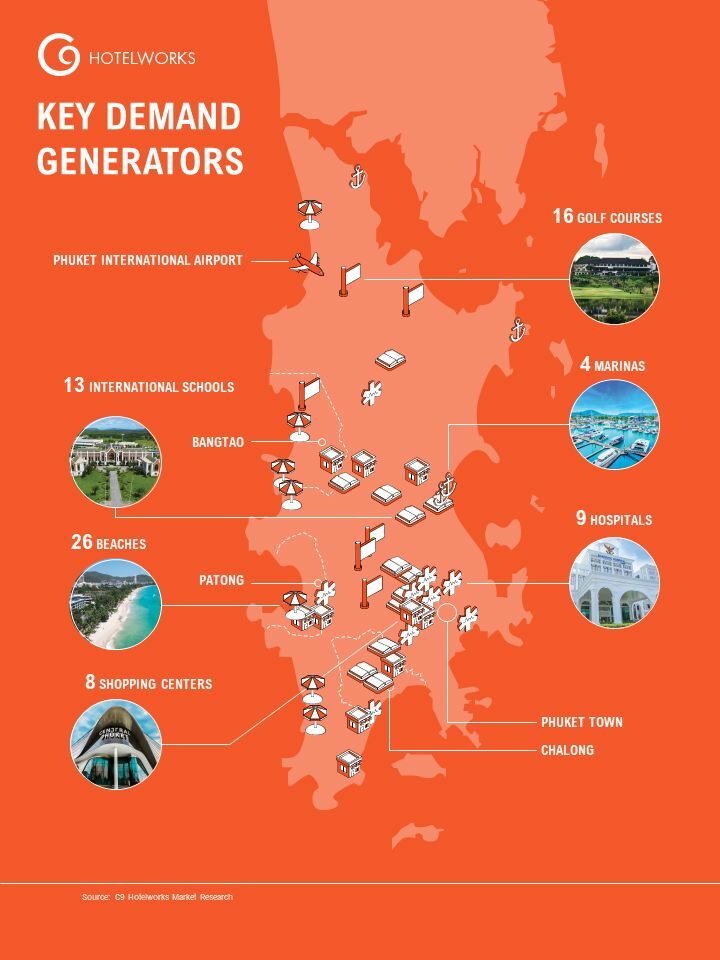
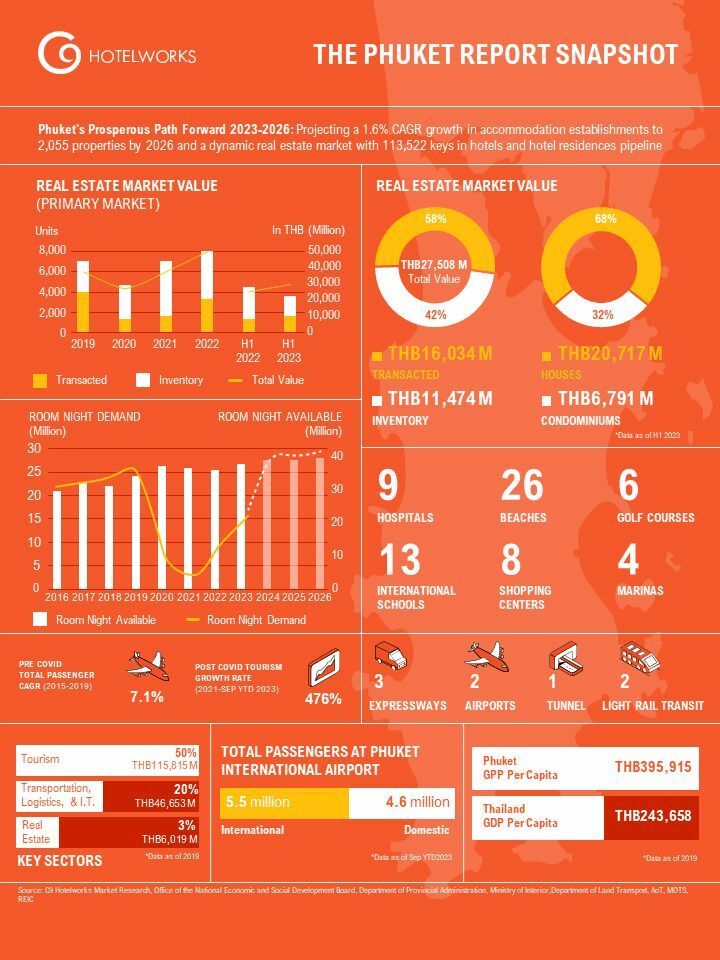
Phuket’s remarkable post-pandemic growth, evident in the astounding 10.1 million airport passengers by September 2023, has propelled the real estate sector to new heights, currently valued at THB27,508 million. The paradigm shift is marked by a transition from investment-focused buying to relocation, as families from Russia, China, India, and Europe seek the island’s unique lifestyle offerings, as outlined in the Phuket Economy Report – Economy in Transition 2023-2024 by C9 Hotelworks.
Gardens of Eden, poised against this dynamic backdrop, introduces a nature-inspired wellness community, setting a new benchmark for developments in prime locations. Spearheaded by a trio of industry leaders—award-winning designer Martin Palleros, former Laguna Phuket CEO Ravi Chandran, and global wellness expert Ingo Schweder—the project embodies Amal’s commitment to timeless luxury through its integration of nature into the core of the development.
Palleros emphasizes the urgency of rethinking the design of sustainable cities to counter the impact on health and well-being caused by urbanization. Gardens of Eden addresses this challenge by planting over 1,000 native trees, dedicating 70% of the land to open spaces, and incorporating vertical gardens, organic features, and wellness amenities such as onsen bathing and reflexology areas.
The first phase, Eden Residences, serves as the gateway to Gardens of Eden, featuring 141 apartments in four-storey buildings with units starting at 75 per square meter. The design prioritizes natural materials, including carbon-negative wood and locally sourced granite, further enhancing the development’s eco-friendly footprint. Notably, 30% of the units have already been sold during the pre-sales period, with prices ranging from THB220,000 to THB350,000 per square meter, and construction slated for completion by December 2026.
Corporate affairs advisor Ravi Chandran underscores the significance of Gardens of Eden for Phuket, expressing confidence that it will leave an indelible mark on the market while contributing positively to the island’s sustainable development.

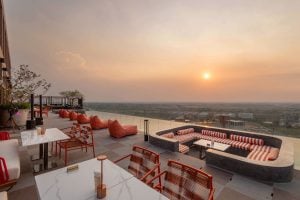
As Gardens of Eden takes root on Bangtao Beach, it emerges not only as a real estate venture but as a testament to the harmonious coexistence of luxury living, wellness, and environmental stewardship in the evolving narrative of Phuket’s global appeal.
Press Release
Latest Thailand News
























Follow The Thaiger on Google News: