Do allergy meds cause dementia? Pediatrician explains

Pediatrician Clarifies Safety of Antihistamines Following Viral Dementia Fears
A leading pediatrician has issued a detailed clarification regarding viral social media posts suggesting a link between routine antihistamine use and dementia, aiming to alleviate growing anxiety among parents.
The online controversy stemmed from content claiming that daily consumption of allergy medications accelerates brain degeneration or Alzheimer’s disease. The posts included lists of common drugs—many frequently prescribed to children—causing parents to question whether treating their children’s allergies puts their long-term cognitive health at risk.
The medical expert, known via the page “Doctor Moed” (Doctor Dek Khor Lao), emphasized that parents must interpret medical data correctly. He noted that side effects found in one age group do not automatically apply to another. While some studies indicate risks for the elderly, children have different physiological responses.
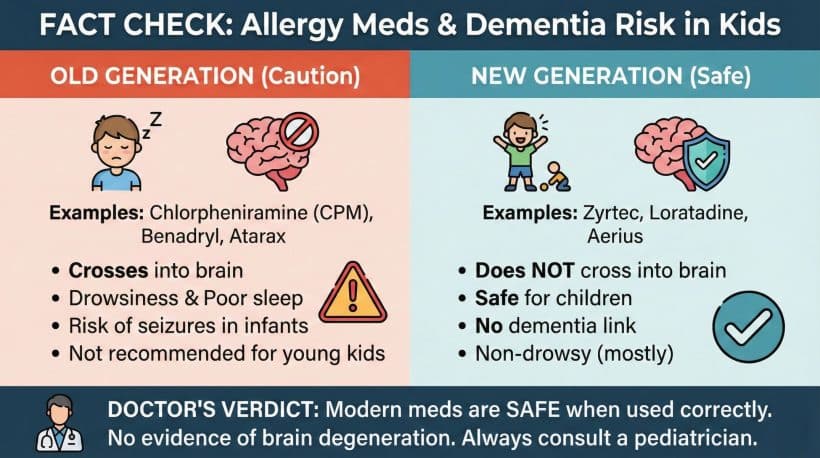
Distinguishing Between Drug Generations
The core of the misunderstanding lies in grouping all antihistamines together. The doctor explained that these medications fall into two distinct categories with significantly different safety profiles.
1. First-Generation Antihistamines (The Older Group)
This group includes drugs such as Diphenhydramine (Benadryl), Hydroxyzine (Atarax), Chlorpheniramine (CPM), and Dimenhydrinate (Dramamine).


1. These drugs can cross the blood-brain barrier and possess anticholinergic properties, which dry up secretions.
2. Evidence suggests these drugs may impact brain function in the long term for older adults, leading to recommendations against their use in this demographic.
3. The doctor stated there is currently no data indicating these drugs cause dementia in children. However, other significant side effects exist. They can cause thickened phlegm, making them unsuitable for children with bronchitis or pneumonia. They also induce drowsiness that interferes with deep sleep cycles.
4. A 2024 study published in JAMA Network Open (South Korea) found that first-generation antihistamines increased seizure risks in children, particularly those aged 6 to 24 months. Consequently, US health regulators advise against their use in children under two years old.
2. Second-Generation Antihistamines (The Newer Group)
This group includes Cetirizine (Zyrtec), Loratadine (Clarityne), Desloratadine (Aerius), Levocetirizine (Xyzal), Fexofenadine (Telfast), and Bilastine.
1. Developed to minimize side effects, these drugs barely penetrate the brain and lack anticholinergic effects.
2. The expert confirmed that these medications have a high safety profile for children. A 2020 review titled “Cetirizine use in childhood: a friendly 30-year drug” affirmed the safety of Cetirizine when used correctly.
3. There is no medical evidence linking second-generation antihistamines to brain degeneration or dementia in children.
Guidance for Parents
The pediatrician advised parents to prioritize the “Benefit greater than Risk” principle.
Parents should understand that second-generation antihistamines treat allergy-induced mucus but do not effectively reduce mucus caused by viral infections (colds). While first-generation drugs reduce mucus due to their drying side effect, they carry risks that require caution.
The doctor concluded that while no drug is 100 percent free of side effects, the use of modern antihistamines (second-generation) according to proper dosage and diagnosis remains safe.
Parents uncertain about medication should consult a specialist rather than relying on generalized online warnings.
Latest Thailand News

























Follow The Thaiger on Google News: