Kamala to get Hyatt Regency

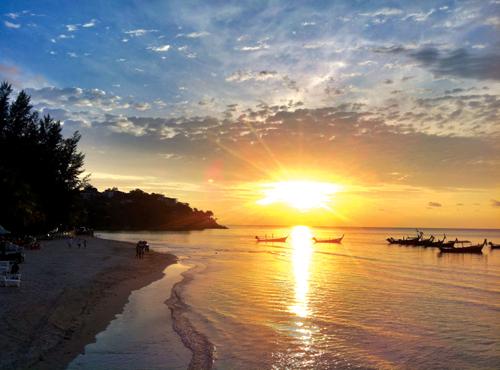
PHUKET: Hyatt Hotels Corporation announced last week that a Hyatt affiliate has entered into a management agreement with Kamala Bay Ventures Co Ltd for a Hyatt Regency branded resort in the Kamala area.
The hotel will be the first Hyatt-branded resort to open in Phuket, one of Southeast Asia’s premier resort destinations. Expected to open later this year, Hyatt Regency Phuket Resort will join two existing Hyatt-branded hotels in Thailand, the Grand Hyatt Erawan Bangkok and Hyatt Regency Hua Hin.
Hyatt Regency Phuket Resort will follow the opening of Park Hyatt Siem Reap and Park Hyatt Changbaishan this year
“We are honored to further strengthen our relationship with Kamala Bay Ventures Co Ltd, which through its affiliates is also the owner of Park Hyatt Siem Reap and Park Hyatt Maldives Hadahaa,” said Ratnesh Verma, senior vice president, real estate and development, Asia Pacific for Hyatt Hotels & Resorts
The hotel, to be located along the upscale Millionaire’s Mile, overlooking Kamala Bay, will feature 202 guest rooms, in addition to more than 4,300 square feet of meeting facilities, three food and beverage outlets, a club lounge, fitness center, outdoor swimming pool, and spa.
According to Phuket Insider, the Hyatt affiliate, KS, is the owner of the Hyatt properties in the Maldives and Siem Reap, and also owns independent hotels in Luang Prabang, Laos and Cha-am in Thailand’s province of Phetchaburi.
The group is also an investor in the upcoming The Yamu by Como in Phuket.


It’s understood that Jones Lang LaSalle Hotels acted in the transaction.
Keep checking our online Phuket Property pages, join our Facebook fan page or follow us on Twitter @PhuketGazette for the latest local and national property updates.
Latest Thailand News









 Thailand News
 Songkhla school director killed in hostage incident receives royal honour





 Thailand News
 5 police and 1 civilian try to extort Chinese national at 300,000 baht each









Follow The Thaiger on Google News: