Koh Samui’s property pivot: Luxury living, rising condos, and smart investments
Compared to other destinations like Phuket or Bangkok, Samui’s lower land costs create a significant advantage

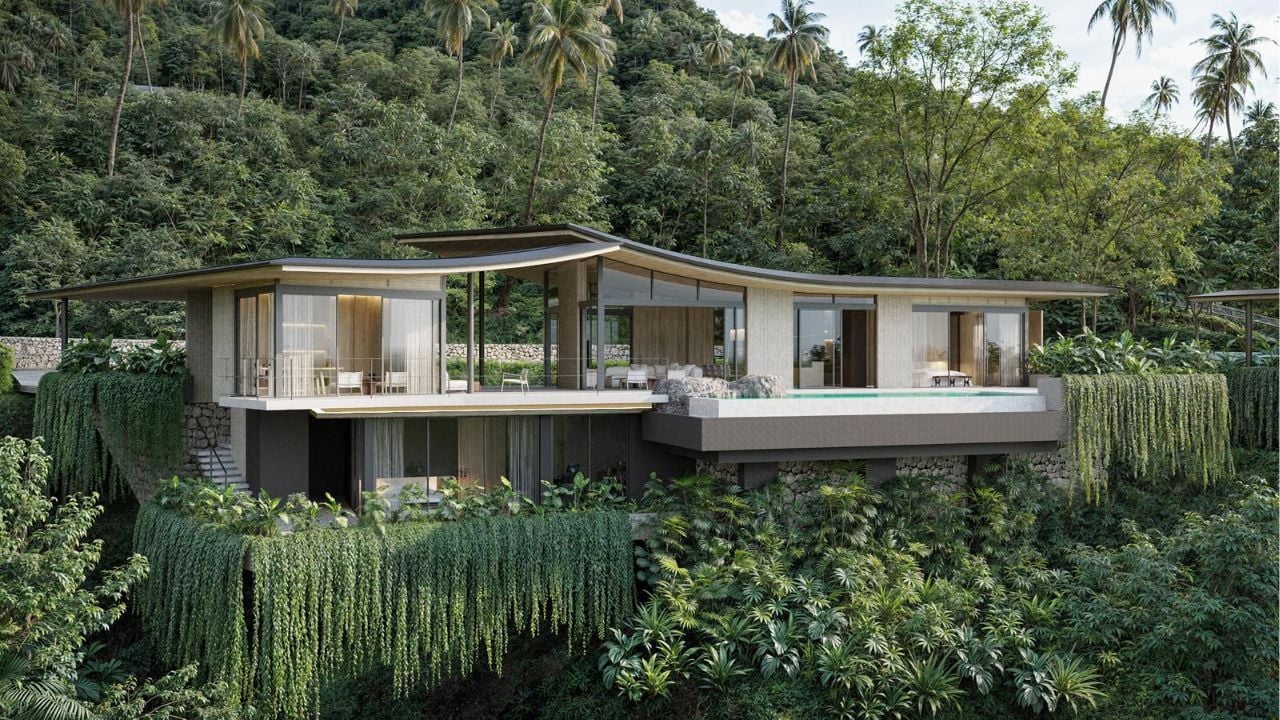
Koh Samui is undergoing a quiet revolution in its residential property market. While the headlines often focus on Thailand’s better-known destinations, this island in the Gulf of Thailand is steadily drawing the attention of lifestyle buyers and investors—especially those eyeing luxury villas at competitive prices.
With the total value of Samui’s real estate market for sale currently reaching approximately 30.3 billion Thai baht according to data from consulting group C9 Hotelworks Samui Property Market Review 2025, the island is seeing a shift away from its traditional villa-dominated landscape toward more diverse offerings, including large-scale condominiums. However, what’s keeping the spotlight firmly on Samui’s villa segment is its relatively low land costs, which continue to support the development of upscale homes that remain well below the price points seen in other Thai resort markets.
Luxury villas gain ground on low land costs
Compared to other destinations like Phuket or Bangkok, where land prices have seen sharp increases, Samui’s lower land costs create a significant advantage. This pricing dynamic provides a strong foundation for luxury villa developments that are not only competitively positioned in the market but also frequently offer spectacular ocean views. The combination of affordability, lifestyle appeal, and scenic settings has made Samui a magnet for property seekers looking for value-driven investments in high-end homes.
Demand grows despite rising inventory
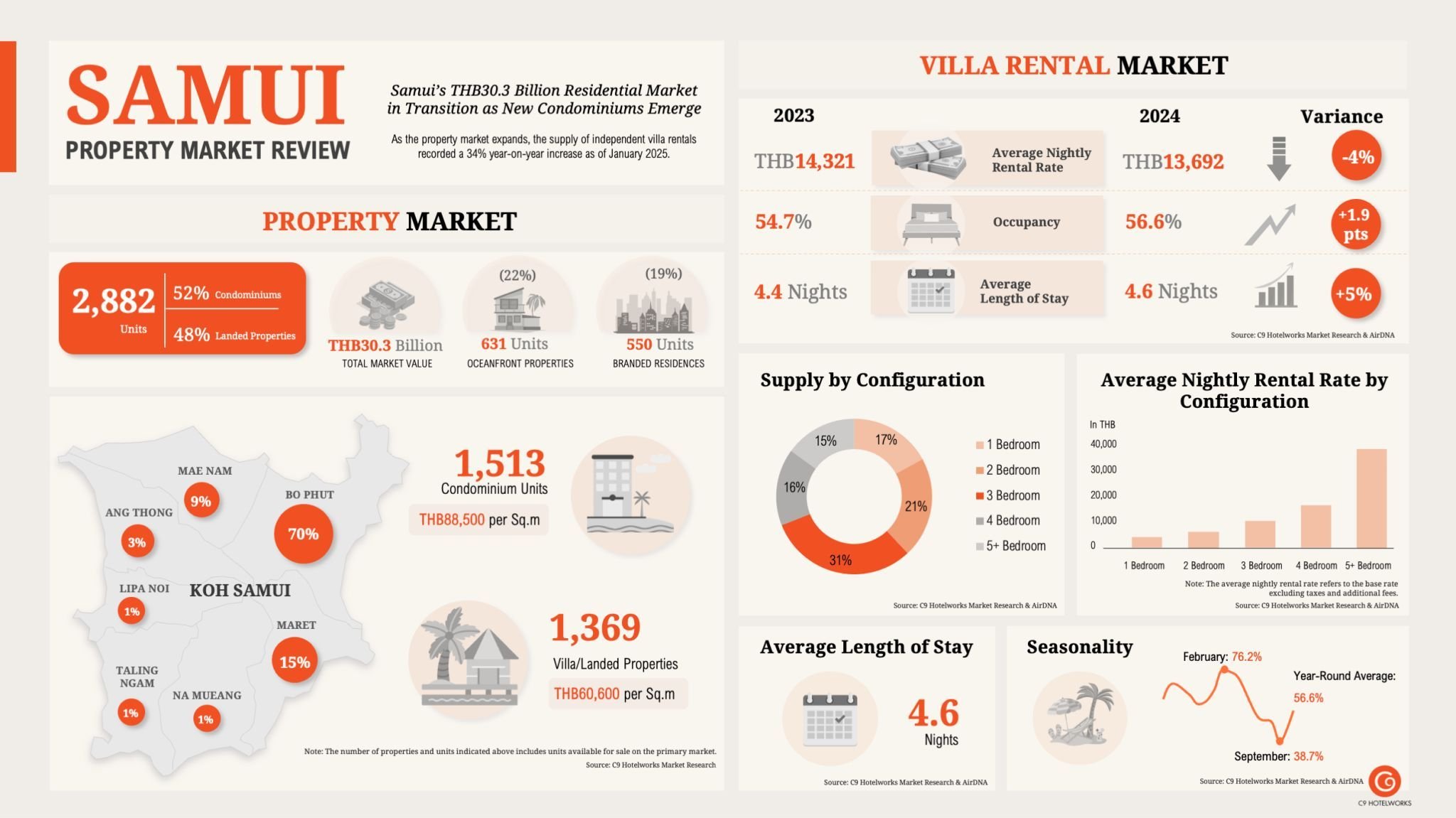
Despite a sharp increase in villa rental inventory as of early 2025, overall occupancy rose, signalling sustained demand and a maturing market where operators are adapting to rising competition. The growth in supply has intensified the need for better design, quality, and management, with many developers focusing on wellness-inspired features and sustainable living as differentiators.
Bophut: Samui’s red-hot residential hub


Bophut remains the hottest submarket on the island. Known for its proximity to Fisherman’s Village and scenic hillside settings, this area continues to attract boutique residential developments centred around privacy, architectural design, and indoor-outdoor tropical living. These homes are increasingly appealing to overseas buyers seeking a permanent escape or second home that delivers both lifestyle and potential income generation.
The rise of resort-style condominiums
While condominiums are gaining ground—now accounting for over half of the new development supply—landed villas still retain a significant position in the market. Buyers are showing interest in both formats, depending on their investment horizon and desired level of property management involvement. The rise of larger-scale, resort-style condo developments reflects a broader diversification in ownership models, targeting younger international buyers and urban Thai investors.
Rental trends and the long-stay economy
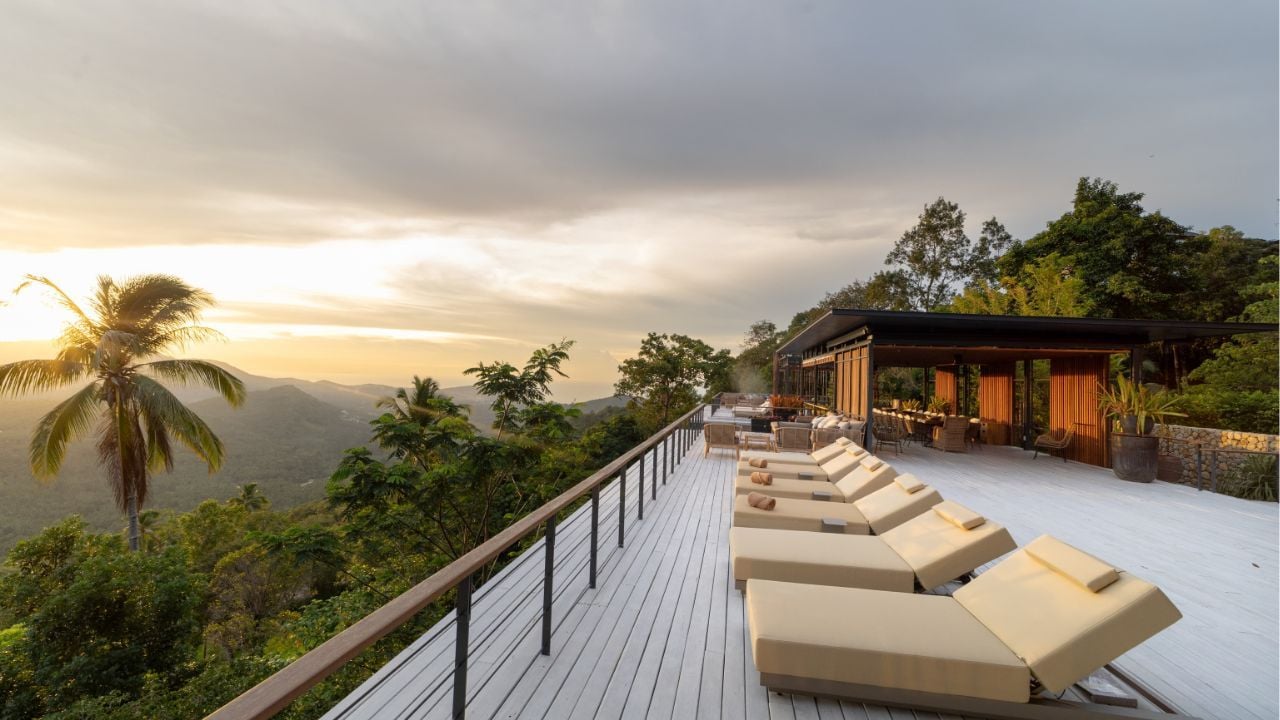
Seasonal variations continue to define Samui’s rental market dynamics, with high occupancy periods during peak tourism months and softer performance during the monsoon season. Despite fluctuations, the island remains a preferred destination for long-stay travellers and digital nomads, contributing to a more stable demand base throughout the year.
Why investors are betting on Samui
From an investor perspective, Samui’s combination of affordability, expanding infrastructure, and rising international visibility is creating compelling opportunities. While other Thai resort destinations grapple with escalating development costs, Samui offers a more measured growth trajectory. Improved airport connectivity and continued government investment in tourism are enhancing its profile as a serious contender in Southeast Asia’s residential resort sector.
What’s next for Samui’s property landscape?
With development costs still relatively low and strong consumer interest across both the lifestyle and investment segments, Koh Samui is well-positioned to remain a key player in the region’s evolving property landscape. As new product offerings and investment channels continue to emerge, the island’s ability to deliver high-end homes in desirable locations at accessible entry points is helping redefine what value looks like in tropical luxury living.
To download and read the C9 Hotelworks Samui Property Market Review 2025, click this link!


Thailand Property FAQ
Can foreigners buy property in Thailand?
Yes. Foreigners can own condominium units freehold, as long as foreign buyers hold no more than 49% of the building's saleable area. Land cannot be owned directly by foreigners; houses are usually held through a 30-year lease — and since a March 2025 Supreme Court ruling, automatic “30+30+30” renewal structures are not enforceable beyond the first 30 years. Read the full foreign-ownership guide.
What is Thailand's 49% foreign quota?
In any condominium project, no more than 49% of the total saleable floor area can be foreign-owned. The quota applies only to condos — not houses, land or leaseholds — and popular buildings in Bangkok, Phuket and Pattaya can hit the cap. How the quota works in practice.
How much are property transfer fees in 2026?
The transfer registration fee is cut to 0.01% (from the standard 2%) and the mortgage registration fee to 0.01% (from 1%) for purchases where both the price and assessed value are 7 million baht or less — extended by the Cabinet on June 30, 2026. On a 6-million-baht home that saves around 120,000 baht. Who qualifies for the cut · Standard fees & who pays what.
Is it better to rent or buy in Thailand as an expat?
It mostly depends on your time horizon: for stays under roughly five years renting usually wins once transfer costs and resale friction are counted, while longer stays can favour buying — especially with 2026's reduced fees. The rent-vs-buy maths for expats.
How much does property cost in Thailand?
A little over 2 million baht buys a freehold one-bedroom condo in central Chiang Mai — the same budget covers only a studio in Bangkok's CBD. Prices vary sharply by region and city. Average prices by region, and what they buy you.
What taxes do property owners pay in Thailand?
Owners pay the annual land and building tax, and rental income is taxable; buyers and sellers split one-off costs like transfer fees, stamp duty or specific business tax depending on the deal. The go-to guide to Thai property taxes.